
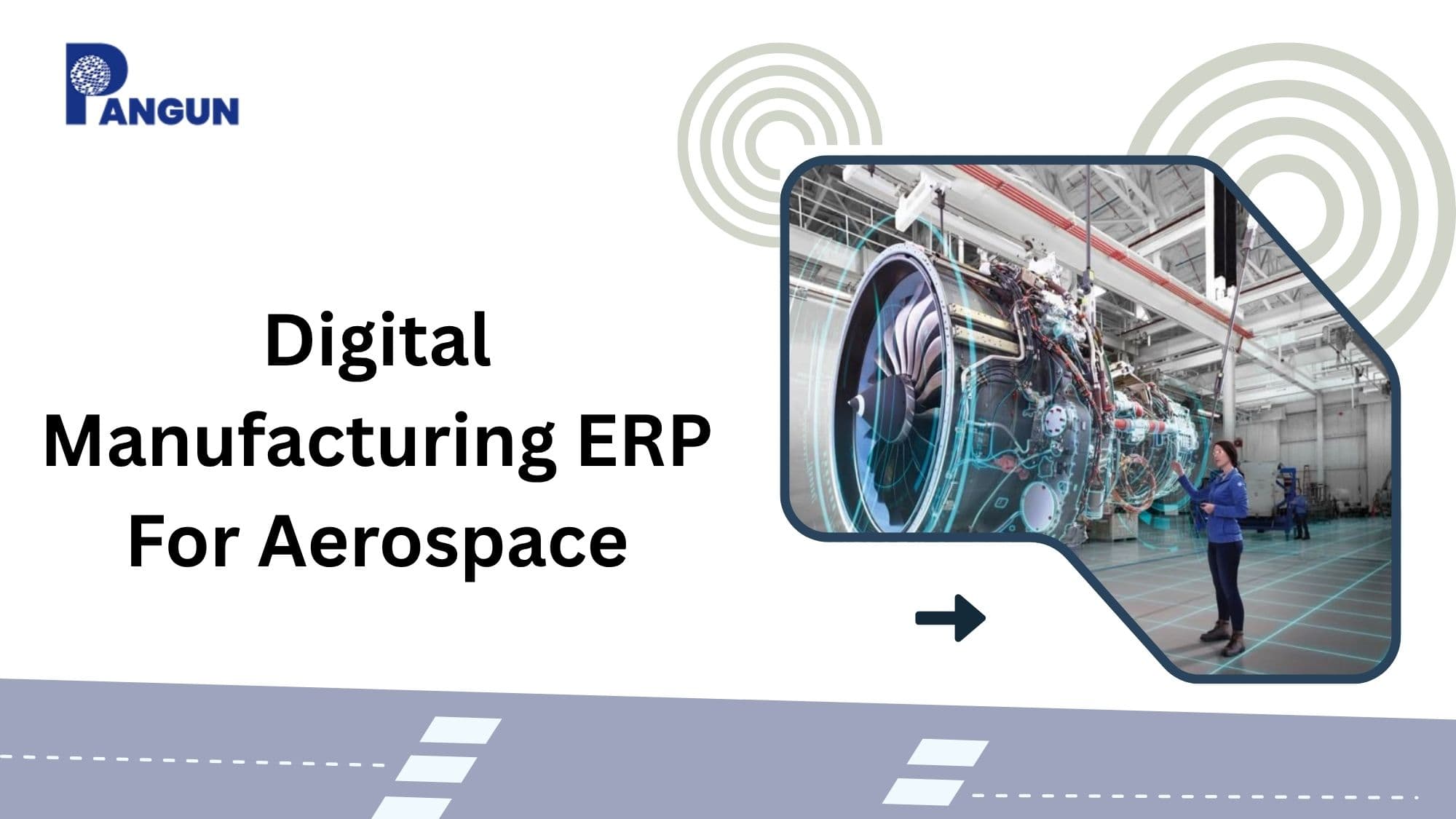
If aerospace manufacturers want better control, faster production cycles, and complete operational visibility, the answer is clear: Digital Manufacturing ERP for Aerospace is driving the next phase of transformation. It brings together advanced erp system capabilities, automation, and real-time data to help aerospace organizations manage complex production environments with precision.
For companies in Hyderabad, where the aerospace and defense industry is expanding rapidly, adopting a modern ERP-driven approach is no longer optional. It is essential for meeting compliance requirements, improving efficiency, and staying competitive in global aerospace markets.
Today’s aerospace manufacturing environment demands more than just basic systems. It requires intelligent platforms that connect design, production, quality, and supply chain operations seamlessly. That is exactly where digital manufacturing powered by ERP is making a real impact.
What Is Digital Manufacturing in Aerospace?
Digital manufacturing in aerospace refers to the use of connected software systems, automation, and real-time data to manage and optimize manufacturing processes across the entire lifecycle.
In the aerospace sector, production involves strict tolerances, regulatory compliance, and coordination across multiple teams and suppliers. Traditional methods often struggle to handle this complexity. Digital manufacturing addresses these challenges by integrating all processes into a unified environment.
Through tools like digital twin, manufacturing execution system, and advanced enterprise software, manufacturers can simulate, monitor, and improve operations continuously. This enables better decision-making and reduces the risk of errors.
For example, a digital twin allows manufacturers to test design changes virtually before applying them to real production. This reduces costly rework and improves overall efficiency.
Digital manufacturing also supports lifecycle management, ensuring that every stage—from design to maintenance—is connected and optimized.
What Is ERP in Aerospace Manufacturing?
ERP in aerospace is a centralized system that integrates business functions, production processes, compliance management, and supply chain operations into a single platform.
An erp system acts as the backbone of aerospace operations. It connects departments such as procurement, production, finance, and quality into one unified system. This eliminates data silos and improves coordination across teams.
For aerospace manufacturers, ERP is essential for managing:
- Complex manufacturing processes
- Regulatory compliance requirements
- Supplier and supply chain coordination
- Inventory and production planning
A well-designed erp solution ensures that all stakeholders have access to accurate, real-time information. This improves decision-making and reduces operational inefficiencies.
Why Digital Manufacturing ERP Is the Future
Digital Manufacturing ERP for Aerospace is the future because it enables real-time visibility, automation, and data-driven decision-making across complex manufacturing environments.
Traditional systems often operate in isolation, making it difficult to manage operations efficiently. Modern ERP integrates all functions into a single platform, providing complete visibility across the organization.
This transformation allows aerospace organizations to:
- Automate repetitive tasks and reduce manual errors
- Improve coordination across departments
- Enhance compliance with industry standards
- Optimize production and reduce delays
For many aerospace companies, adopting ERP-driven digital manufacturing is a strategic move to improve performance and scalability.
Key Features of Digital Manufacturing ERP
Digital Manufacturing ERP combines advanced capabilities designed to handle complex aerospace operations and manufacturing needs.
Real-Time Visibility Across Operations
Visibility is one of the most valuable benefits of ERP in aerospace manufacturing.
With a modern erp system, managers can track production status, monitor inventory levels, and evaluate supplier performance in real time. This level of transparency helps identify issues early and enables faster decision-making.
For example, if there is a delay in the supply chain, the system can alert teams immediately, allowing them to take corrective action before it impacts production.
Supply Chain Integration
ERP integrates the entire supply chain, ensuring seamless coordination between suppliers, manufacturers, and distributors.
In aerospace, where components often come from multiple vendors, effective supply chain management is critical. ERP systems provide real-time data on supplier performance, delivery schedules, and inventory availability.
This improves reliability and reduces disruptions across the supply chain.
Production Planning and Shop Floor Control
ERP supports efficient production planning and provides control over shop floor operations.
By analyzing demand, resource availability, and production capacity, ERP systems help create accurate production schedules. This ensures that manufacturing processes are aligned with business goals.
On the shop floor, ERP provides real-time updates, improving coordination and reducing delays.
Compliance and Quality Assurance
Compliance is a critical requirement in aerospace manufacturing, and ERP systems help ensure adherence to industry standards.
ERP platforms support quality assurance by tracking inspections, maintaining records, and ensuring that all processes meet regulatory requirements.
This is especially important for aerospace and defense manufacturers, where compliance with industry standards is mandatory.
Inventory Management
Effective inventory management is essential for maintaining smooth operations in aerospace manufacturing.
ERP systems provide real-time tracking of inventory, helping organizations maintain optimal stock levels. This reduces excess inventory and prevents shortages that can disrupt production.
Benefits of Digital Manufacturing ERP for Aerospace
Digital Manufacturing ERP for Aerospace delivers measurable improvements in efficiency, compliance, and operational performance.
Improved Operational Efficiency
ERP systems help automate routine tasks, reduce manual effort, and streamline workflows across manufacturing operations. This leads to faster execution and fewer errors.
Better Decision-Making
With access to real-time data and analytics, managers can make informed decisions quickly. This improves responsiveness and operational performance.
Enhanced Compliance
ERP ensures compliance with industry regulations by maintaining accurate records and supporting audit processes.
Increased Productivity
Automation and improved coordination increase productivity across departments.
Reduced Costs
Optimized processes and better resource utilization help reduce operational costs.
Role of ERP in Aerospace and Defense Manufacturing
ERP plays a central role in managing operations in aerospace and defense manufacturing environments.
In aerospace and defense manufacturing, organizations deal with complex production requirements, strict compliance standards, and multiple stakeholders. ERP helps manage these complexities effectively.
It supports:
- Production and resource planning
- Compliance tracking
- Supply chain coordination
This ensures smooth operations and improved performance.
Digital Twin and Predictive Maintenance
Digital twin and predictive maintenance are key innovations in digital manufacturing for aerospace.
A digital twin creates a virtual model of physical systems, allowing manufacturers to simulate and analyze operations.
This helps:
- Identify potential issues
- Optimize performance
- Improve design and production
Predictive maintenance uses data to anticipate failures before they occur. This reduces downtime and improves system reliability.
Challenges in Implementing Digital Manufacturing ERP
Implementing ERP in aerospace manufacturing comes with challenges that organizations must address.
Common challenges include:
- Integration with existing systems
- Data management complexity
- Employee training and adoption
However, with proper planning and the right erp tools, these challenges can be overcome.
Why Hyderabad Is Adopting Digital Manufacturing ERP
Hyderabad has become a major hub for aerospace and defense companies.
With growing investments and increasing demand, organizations in the region are adopting ERP-driven digital manufacturing to:
- Improve efficiency
- Meet global standards
- Enhance competitiveness
This shift reflects the growing importance of digital transformation in the aerospace industry.
Choosing the Right ERP for Aerospace
Choosing the right ERP is critical for achieving success in digital manufacturing.
Organizations should look for:
- Industry-specific ERP solutions
- Scalability and flexibility
- Integration capabilities
The right ERP should align with business needs and support long-term growth.
Why Pangun Is the Right ERP Partner
For aerospace manufacturers looking to adopt digital manufacturing, Pangun offers advanced ERP solutions tailored for aerospace and defense industries.
Pangun provides software solutions designed for aerospace operations, helping organizations streamline processes, improve compliance, and enhance performance. Its platform integrates production, supply chain, and quality management into a single system.
Final Thoughts: The ERP Revolution in Aerospace
Digital manufacturing is redefining how aerospace companies operate.
Digital Manufacturing ERP for Aerospace is at the heart of this transformation, enabling organizations to improve efficiency, ensure compliance, and achieve better performance.
For aerospace manufacturers in Hyderabad, adopting ERP-driven digital manufacturing is a strategic move toward long-term success.
If you are ready to transform your aerospace operations, connect with Pangun. Take the next step toward smarter, more efficient, and future-ready aerospace manufacturing.